10K vs 14K Gold Jewelry - Which Should You Buy?
A diamond can command the room, but the gold around it determines how your jewelry wears, feels, and fits into real life. When choosing 10k vs 14k gold jewelry, the right answer is less about one being universally better and more about where you want to wear it, how often, and what kind of impact you expect from the finished piece.
For a hidden-halo engagement ring, a diamond tennis bracelet, or a bold riviera necklace, gold purity shapes more than the price. It influences the metal’s warmth, resistance to daily wear, and the visual contrast that makes lab-grown diamonds appear especially bright.
What 10K and 14K Gold Actually Mean
Gold karat measures how much pure gold is present in an alloy. Pure 24K gold is richly yellow and highly malleable, which makes it beautiful but too soft for most fine jewelry designed for regular wear.
10K gold contains 10 parts pure gold out of 24, or about 41.7% gold. The remaining portion is made of strengthening metals, commonly copper, silver, zinc, palladium, or nickel depending on the color and formula. In the United States, 10K is the minimum purity that can be sold as gold.
14K gold contains 14 parts pure gold out of 24, or about 58.3% gold. It still has enough alloy metals to perform beautifully in everyday jewelry, while carrying a higher concentration of the precious metal that gives gold its signature color and value.
Neither choice is a lesser version of fine jewelry. They simply prioritize different qualities. 10K leans toward strength and price accessibility. 14K offers a more pronounced gold presence while remaining practical enough for an active, polished lifestyle.
10K vs 14K Gold Jewelry for Daily Wear
Durability is often the first reason shoppers consider 10K gold. Because it contains more alloy metal, 10K is generally harder than 14K. That extra hardness can be appealing for pieces exposed to constant contact, such as a slim diamond band, a bracelet worn beside a watch, or earrings that become part of your everyday rotation.
But hardness is not the only factor in longevity. Fine jewelry is still fine jewelry. A 10K ring can scratch, bend, or catch if it is subjected to impact, and a 14K ring can look exceptional for decades with thoughtful wear and occasional professional maintenance. The design matters just as much as the karat. A substantial setting with well-built prongs will perform differently from an ultra-delicate stacking ring, regardless of gold purity.
For engagement rings and wedding bands, 14K is often the balanced choice. It offers excellent everyday durability with a more luxurious gold content, especially in a solitaire or hidden-halo design meant to mark a lifetime moment. For fashion-forward pieces worn frequently and confidently, 10K can be a smart, resilient option.
Consider the piece, not just the karat
A bezel-set tennis bracelet has a different wear profile than a diamond pendant. Necklaces and earrings typically encounter less friction than rings and bracelets, so durability may carry less weight in that decision. If you are choosing a dramatic pear drop earring or a diamond necklace for evenings and special occasions, the color and richness of 14K may matter more than the additional hardness of 10K.
Color and Visual Presence
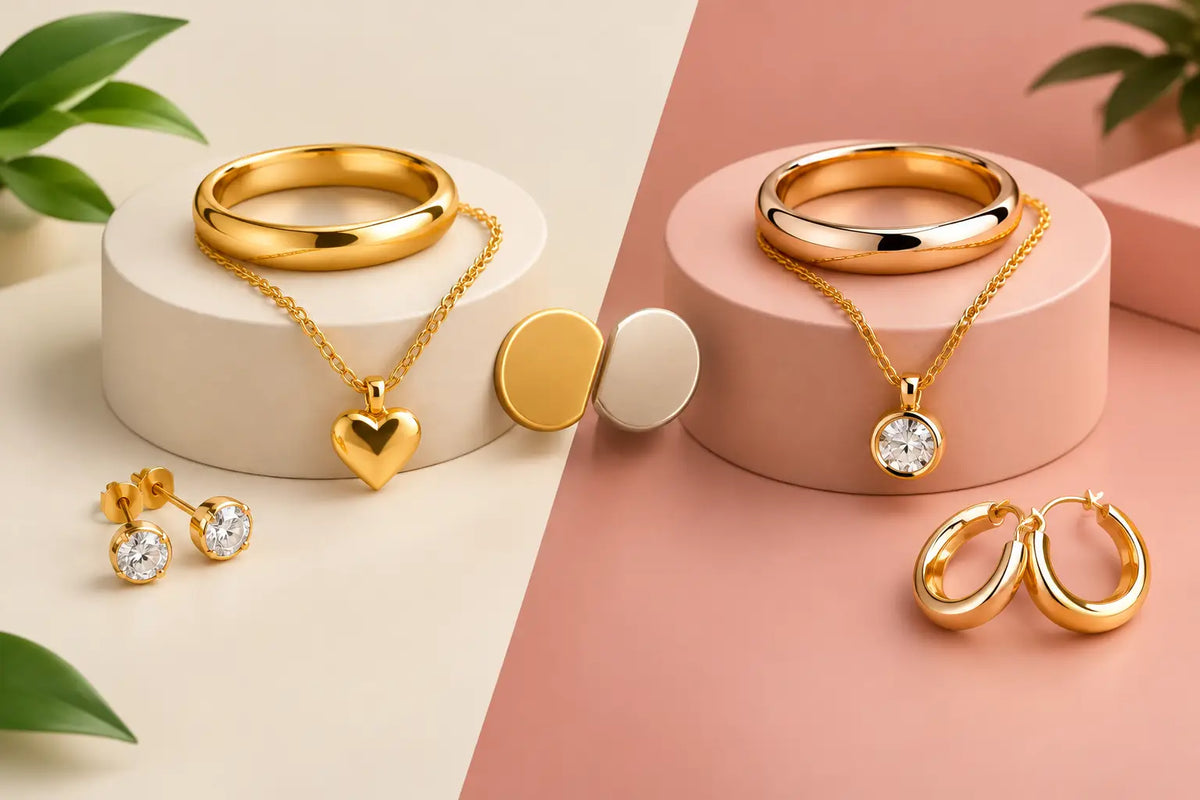
The difference in gold content is visible, although it is not always dramatic at first glance. Yellow 14K gold usually has a warmer, deeper, more unmistakably golden tone than yellow 10K. On the skin, that added richness can make a diamond setting feel more elevated, particularly in larger carat-weight designs where every material choice is part of the statement.
Rose gold follows a similar pattern. Both 10K and 14K rose gold get their blush from copper, but 10K can appear slightly more copper-forward, while 14K often has a softer, more refined rosy warmth. Your personal coloring and the diamonds’ shape can guide the choice. A romantic rose gold setting can beautifully frame an oval, pear, or round lab-grown diamond.
White gold requires a little more nuance. White gold is created by blending yellow gold with white metals, then is often finished with rhodium plating for a bright, mirror-like surface. Both 10K and 14K white gold can look crisp and luminous when newly plated. Over time, that rhodium finish may need refreshing, especially on rings. This is normal care, not a flaw in the jewelry.
If the goal is a clearly golden, high-jewelry look, 14K yellow gold tends to deliver more visual depth. If you want a clean, diamond-first aesthetic at a more accessible price, 10K white gold can create a sleek and compelling setting.
Price, Value, and the Diamond You Want
Because 14K contains more pure gold, it costs more than 10K. The exact difference depends on the piece’s weight, construction, metal color, and current gold market conditions. In diamond jewelry, however, gold purity is only one part of the final price. Diamond carat weight, cut, setting complexity, and overall design can have a far greater effect.
That creates a meaningful choice for shoppers who are setting a budget. Selecting 10K may allow you to prioritize a larger lab-grown diamond, a longer tennis bracelet, or a more dramatic graduated diamond necklace. It is a considered way to direct more of the investment toward visible brilliance.
Choosing 14K may be worth it when the metal itself is central to the look. Think of a yellow gold solitaire with a wide polished band, a bold statement ring, or a warm gold chain where the metal is intended to be seen as much as the stones. The higher gold content gives those designs an added sense of richness.
Value also depends on what you will enjoy wearing. A beautifully made 10K piece that becomes part of your signature is never a compromise. A 14K piece that feels more aligned with your style can be equally worthwhile. Luxury is strongest when it is personal, purposeful, and worn often.
How Gold Purity Affects Your Diamonds
Lab-grown diamonds have the same optical, chemical, and physical properties as mined diamonds, so their sparkle is not changed by whether the setting is 10K or 14K. What changes is the frame around that brilliance.
White gold provides a cool, almost invisible-looking backdrop that lets colorless diamonds take center stage. It is especially popular for engagement rings, tennis jewelry, and diamond-forward necklaces where a continuous field of light is the goal. Yellow gold creates contrast. The warm metal can make a white diamond look especially bright and intentional, while giving the entire piece a more fashion-led point of view.
With larger stones or higher carat-total-weight jewelry, 14K can add visual substance without overwhelming the diamonds. Yet 10K is also an excellent choice for pavé, bezel, and prong settings when the design is crafted with proper proportions. The security of a stone comes from thoughtful setting construction, not simply from choosing the higher karat.
Which Gold Should You Choose?
Choose 10K gold if your priorities are durability, a lower entry price, or maximizing diamond size and carat weight within a defined budget. It is particularly compelling for everyday rings, stackable styles, and diamond pieces you plan to wear without overthinking every movement.
Choose 14K gold if you want a richer gold color, a more elevated precious-metal feel, and an enduring balance of beauty and practicality. It is a natural match for bridal jewelry, milestone gifts, and signature pieces that pair diamond brilliance with a visible sense of gold luxury.
Skin sensitivity can also affect the decision. Alloy formulas vary by manufacturer, and some people are sensitive to nickel or other metals used in certain white gold blends. If you have a known metal allergy, confirm the alloy details before purchasing rather than assuming one karat will automatically be more comfortable than the other.
Keep Your Gold Looking Brilliant
Whether you select 10K or 14K, a few habits protect the finish and preserve the setting. Remove rings and bracelets before heavy lifting, workouts, swimming, or cleaning with household chemicals. Store pieces separately when possible to prevent diamonds and metal surfaces from scratching one another.
A gentle cleaning with warm water, mild soap, and a soft brush can restore everyday sparkle. For diamond jewelry with prongs, halos, or intricate pavé work, periodic professional inspection is a polished way to make sure stones remain secure. White gold may also benefit from rhodium replating when its bright finish begins to soften.
Choose the gold that makes you want to reach for the piece again tomorrow. Whether that is resilient 10K or richly toned 14K, the most compelling jewelry pairs exceptional craftsmanship with diamonds that reflect your standards, your style, and your occasion.