Are Lab Grown Diamonds Ethical? The Real Standard
A diamond’s beauty has always carried a larger question: what did it take to bring that brilliance to life? For shoppers asking, are lab grown diamonds ethical, the answer is encouraging but not automatic. Lab-grown diamonds offer a more traceable, mine-free path to fine jewelry, yet responsible luxury still depends on how a stone is produced, graded, set, and presented.
At Eternal Jewels, we believe luxury should look extraordinary and stand for something. A hidden-halo engagement ring, a pear-drop earring, or a diamond riviera necklace should deliver unmistakable presence without asking you to ignore the story behind its sparkle.
What makes lab grown diamonds ethical?
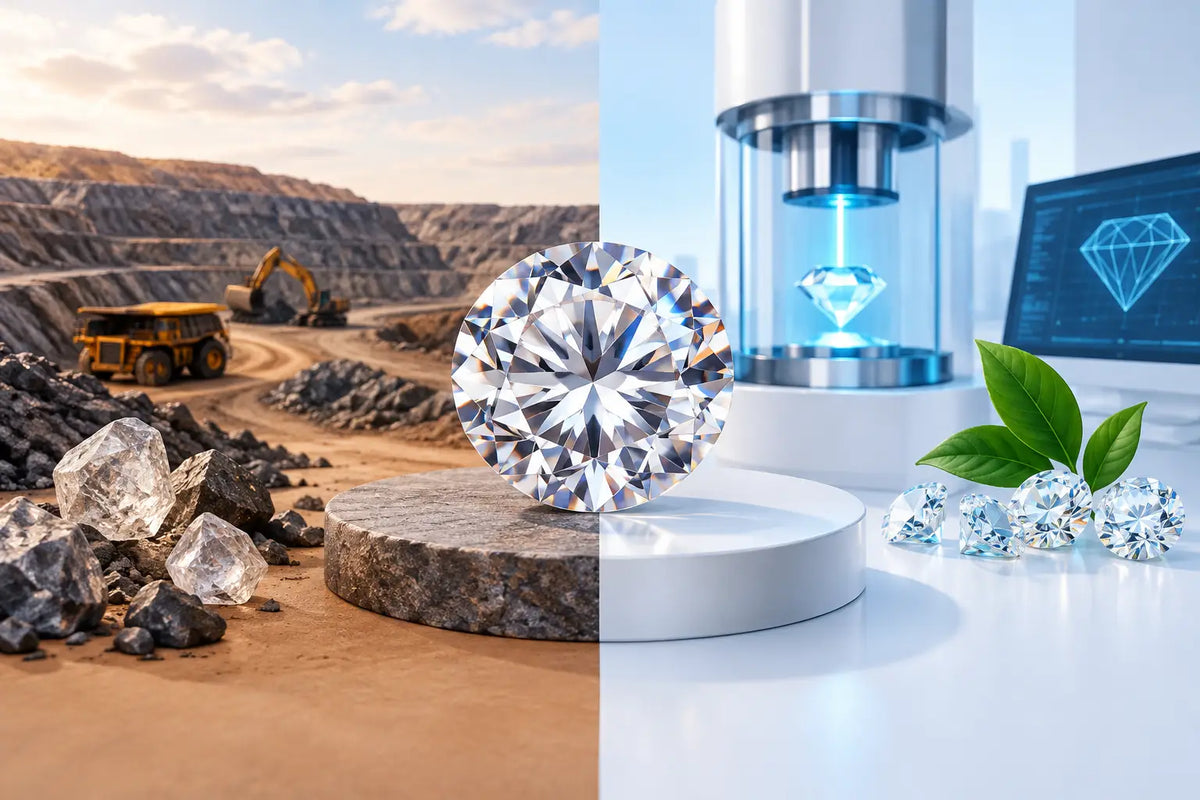
Lab-grown diamonds are real diamonds created in controlled environments rather than extracted from the earth. They have the same fundamental carbon structure, brilliance, hardness, and visual allure as mined diamonds. The difference is origin: one is grown with advanced technology, while the other is formed underground over geological time and recovered through mining.
That distinction matters because traditional diamond mining can involve significant land disturbance, large-scale water use, complex supply chains, and, in some cases, serious labor and human-rights concerns. The mining industry is not one story, and responsible mines do exist. Still, a consumer cannot always see every stage behind a mined stone, especially once diamonds have moved through cutting, trading, and jewelry manufacturing.
Lab-grown diamonds remove the need for new diamond mining. For many buyers, that alone is a meaningful ethical advantage. The supply chain is generally shorter, the origin is easier to identify, and the stone can be connected more directly to a known producer and grading record.
Ethics also includes the people involved. A responsible lab-grown diamond business should prioritize fair working conditions, clear supplier relationships, honest product descriptions, and independent grading. Calling a diamond ethical is strongest when it is supported by transparency, not simply by the word “lab-grown.”
The environmental question is more nuanced
A lab-grown diamond is not impact-free. Diamond-growing technology requires substantial energy, particularly when diamonds are created through high-pressure, high-temperature methods or chemical vapor deposition. The environmental outcome depends heavily on where the facility operates and how its electricity is sourced.
A producer powered by renewable energy has a different footprint from one dependent on carbon-intensive power. This is why broad claims that every lab-grown diamond is universally “eco-friendly” deserve a closer look. The more precise statement is that lab-grown diamonds avoid the direct impacts of diamond mining and have the potential for a lower-impact production model, particularly when manufacturers use cleaner energy and report their practices clearly.
For a jewelry buyer, perfection is not the only standard worth considering. Progress, traceability, and accountability matter. Choosing a lab-grown diamond lets you prioritize a diamond-forward look while reducing reliance on a mining-based supply chain. That can be a powerful decision for an engagement ring you will wear every day or a statement necklace chosen to mark a defining occasion.
Ethical sourcing requires more than a lab origin
The most thoughtful purchase considers the entire piece, not only the center stone. Fine jewelry includes diamonds, gold, craftsmanship, packaging, transportation, and the business practices behind every transaction.
Gold deserves attention, too. Whether you select 10K, 14K, or 18K gold, each choice affects the look, durability, and gold content of your jewelry. Higher-karat gold offers a richer gold presence, while 10K and 14K can suit an active, everyday lifestyle with added durability. Rose, white, and yellow gold each bring a different character to diamonds, but none should distract from the importance of responsible material sourcing and careful manufacturing.
Transparency also means using accurate language. Lab-grown diamonds should be clearly identified as lab-grown, not presented in a way that suggests they are mined. Buyers should be able to review the stone’s key specifications, including carat weight, cut, color, clarity, and independent grading information when applicable. A beautiful piece becomes a more confident purchase when you understand exactly what you are selecting.
Are lab grown diamonds ethical for an engagement ring?
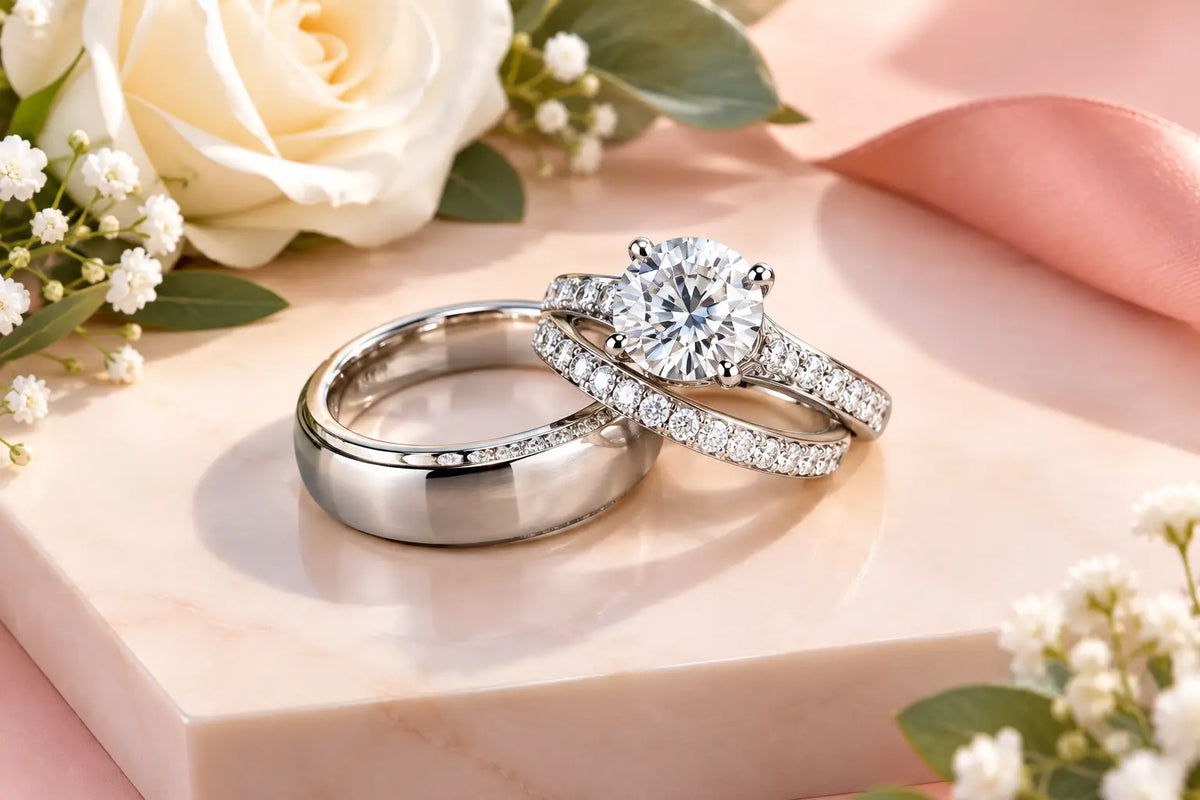
For many couples, yes. A lab-grown diamond engagement ring can align romance, visual impact, and personal values without requiring a smaller vision. The price difference between lab-grown and mined diamonds may allow a buyer to prioritize a larger center stone, a refined hidden halo, a more substantial setting, or a higher color and clarity range within the same budget.
That does not make a lab-grown diamond a lesser diamond. It makes the design conversation more expansive. Instead of choosing between presence and practicality, you can consider both. A luminous oval solitaire, an elongated pear, or a classic round can be selected for how it reflects your relationship and how it feels on your hand, not just for its rarity in the ground.
There is one practical distinction to understand: lab-grown and mined diamonds can perform differently as financial assets. Fine jewelry is best purchased first for wear, sentiment, design, and craftsmanship. Resale value is influenced by market demand, diamond specifications, condition, brand, and the wider market, regardless of origin. If long-term resale is your primary goal, speak with an independent expert before purchasing. If your goal is to own an exceptional diamond piece with a more transparent origin story, lab-grown diamonds offer a compelling option.
How to shop with confidence
Ethical luxury is easier to assess when a retailer is clear about what you are buying. Start with the diamond’s identity and quality. Look for precise carat information, stone details, and grading documentation for diamonds where certification is offered. The carat total weight of a tennis bracelet or riviera necklace is especially useful because it communicates the overall diamond presence across the design.
Then consider craftsmanship and fit. A bezel-set tennis bracelet should sit comfortably and securely at the length you choose. Drop earrings should balance movement with proportion. For rings, select your size carefully and think about your preferred gold color alongside your daily wardrobe and existing jewelry. White gold creates a crisp, icy diamond effect; yellow gold adds warmth and contrast; rose gold brings a softer, romantic finish.
Finally, ask whether the piece will remain part of your life beyond the moment you buy it. A diamond necklace that transforms a black dress, a pair of pear drops worn at every anniversary dinner, or an engagement ring that becomes part of your hand’s daily language carries value that cannot be reduced to a specification sheet.
Questions worth asking before you choose
You do not need to become a gemologist to shop wisely. Focus on a few clear questions: Is the diamond explicitly described as lab-grown? Are the quality details and carat weights easy to understand? Does the retailer provide grading information where relevant? Can you choose the metal, length, and ring size that make the piece genuinely wearable? And does the brand speak specifically about sourcing instead of relying on vague sustainability language?
These questions help separate meaningful ethical positioning from a passing marketing phrase. They also keep the focus where it belongs: on jewelry you will be proud to wear.
Purposeful luxury can still be unapologetically glamorous
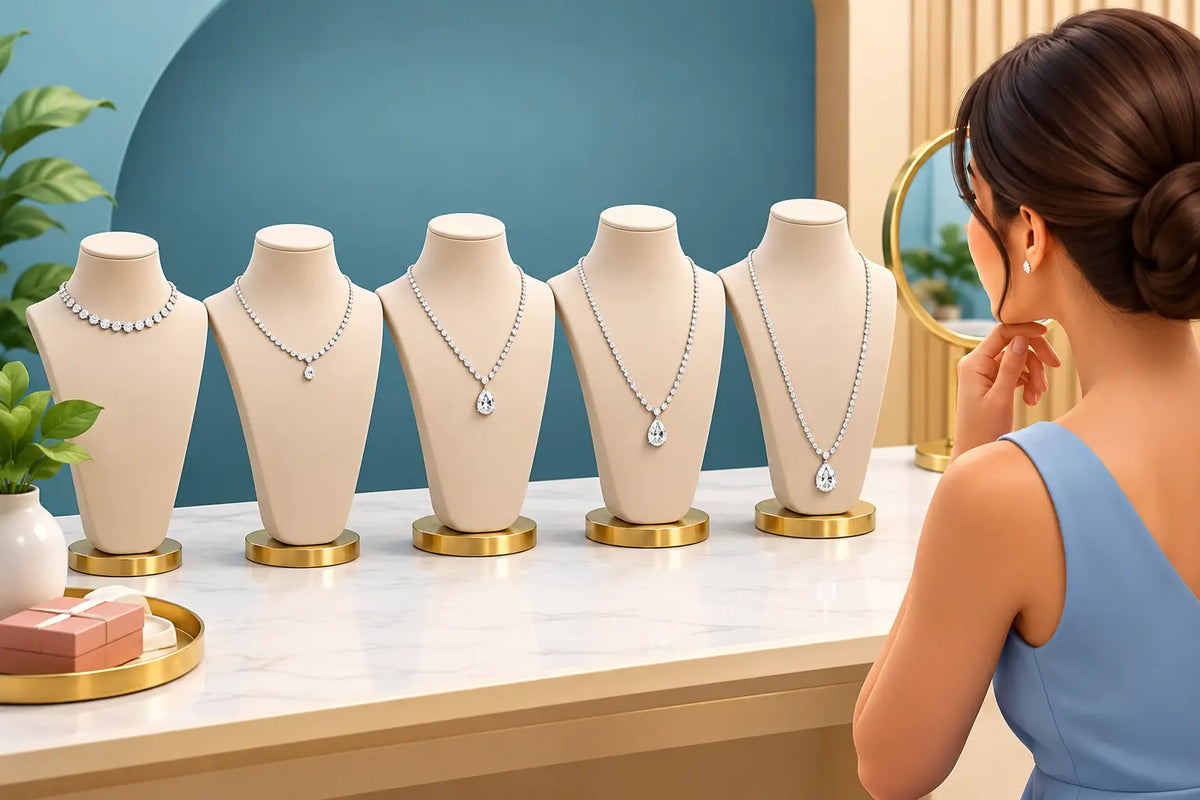
Ethical jewelry does not have to be quiet. The appeal of lab-grown diamonds is not limited to minimal styles or modest stones. It can look like a graduated pear diamond statement drop, an iced-out riviera necklace, or a wide line of diamonds catching light across the wrist. Choosing a thoughtful origin does not require dialing down your style.
That freedom is especially relevant for modern fine-jewelry buyers. You may want an engagement ring with a distinctive silhouette, a bold necklace for an evening event, or an everyday bracelet that makes a tailored white shirt feel finished. Lab-grown diamonds make it possible to place visual impact at the center of the decision while keeping sourcing concerns in view.
The most satisfying choice is not the one that claims to solve every environmental or social issue. It is the one made with clear eyes: a real diamond, a traceable alternative to mining, transparent specifications, and a design you will reach for again and again. Let your jewelry reflect both your standards and your sense of occasion.