Bridal Engagement Rings for Women That Shine
A ring is seen before a word is spoken. It catches light across a dinner table, flashes in a mirror, and becomes part of the hand she reaches for every day. The best bridal engagement rings for women pair that immediate visual impact with personal meaning, exceptional craftsmanship, and a diamond choice that reflects the future you want to build together.
For many couples, lab-grown diamonds make that choice feel more expansive. They deliver the brilliance, durability, and visual presence expected of fine diamond jewelry, while offering a more intentional approach to luxury. That can mean choosing a larger center stone, a more detailed setting, or simply selecting the exact design that feels unmistakably hers.
Start With the Diamond Shape
Diamond shape sets the mood of an engagement ring before carat weight or metal color enters the conversation. A round brilliant diamond remains an enduring choice for its fire and balanced silhouette. It is polished, versatile, and naturally at home in everything from a clean solitaire to a hidden-halo setting.
For a more fashion-forward look, consider elongated shapes. Oval diamonds create a graceful, lengthening effect on the finger and offer generous face-up presence. Pear diamonds bring a sharper, more expressive profile - romantic when worn point-up or point-down, depending on her preference. Emerald-cut diamonds offer something different: clean lines, mirror-like flashes, and a confident architectural elegance rather than a high-sparkle look.
The right shape is not simply the one that appears largest. It is the one that suits her style in motion. Someone drawn to crisp tailoring, sculptural accessories, and understated polish may love an emerald or radiant cut. Someone whose wardrobe leans romantic, luminous, or glamorous may gravitate toward an oval, pear, or round brilliant.
Bridal Engagement Rings for Women: Choose the Setting
The setting determines how the diamond sits, shines, and lives on the hand. It deserves as much attention as the center stone.
A classic solitaire places the diamond at the center of the story. With minimal metal around the stone, this setting gives a high-quality lab-grown diamond room to command attention. It also works beautifully with future wedding bands, especially when the band needs to sit flush against the engagement ring.
A hidden halo adds an elevated detail without changing the clean top view of a solitaire. Small diamonds are set beneath the center stone, creating a flash of brilliance from the side and amplifying the ring's overall presence. It is an ideal choice for someone who appreciates timeless silhouettes but expects a little more drama on closer inspection.
Halo settings, where diamonds frame the center stone, deliver maximum sparkle and can make the center diamond appear more expansive. They are glamorous, dimensional, and particularly striking for formal occasions. The trade-off is visual complexity: if she prefers a clean, modern look, a halo may feel busier than a solitaire or hidden halo.
Three-stone rings bring symbolism and scale together. Often interpreted as a reflection of past, present, and future, they add width across the finger and create a distinctly high-jewelry effect. This style works especially well when the center diamond is paired with complementary side stones rather than identical shapes.
Match the Metal to Her Signature Style
Gold color changes the personality of the ring in an instant. White gold creates a cool, bright frame that emphasizes the icy brilliance of colorless diamonds. It is sleek, contemporary, and an easy match for a platinum-toned jewelry wardrobe.
Yellow gold offers warmth and contrast. Its rich tone gives a solitaire a more classic, heirloom-inspired presence while still feeling current when paired with a refined, minimal setting. It is also a compelling choice for warmer diamond shapes such as oval, pear, and cushion cuts.
Rose gold is softer and more romantic, with a blush tone that feels personal without being overly traditional. It can be especially beautiful on skin tones that favor warm metals, though it is worth considering whether she wears rose gold consistently enough for it to remain an everyday favorite.
Gold purity is another practical design decision. A 10K setting offers strength for frequent wear, while 14K gold balances durability with a richer gold appearance. For those who value a more saturated, luxurious metal color, 18K gold delivers an elevated finish. The best option depends on her lifestyle, the look she wants, and how often the ring will be worn alongside other pieces.
Carat Weight Is About Presence, Not a Number
Carat weight matters, but it is only one element of a ring's visual impact. Two diamonds of the same carat weight can look noticeably different depending on shape, cut proportions, and setting. An oval or pear can appear larger than a round diamond of equal weight because of its elongated surface area. A hidden halo can create added dimension without altering the center stone itself.
Rather than beginning with a fixed carat number, think about the level of presence she enjoys. Does she favor refined everyday jewelry, or does she choose diamond-forward pieces that make an entrance? Does she stack rings, wear bold earrings, or prefer a single signature accessory? Her existing style often gives a clearer answer than a generic size recommendation.
Lab-grown diamonds give couples more room to prioritize that visible brilliance. The value may allow you to direct more of the budget toward the diamond's scale, cut, or setting details instead of making a compromise that does not feel personal.
Look Beyond the Center Stone
A beautiful engagement ring should remain beautiful after the proposal, through travel, celebrations, ordinary weekdays, and years of daily wear. That makes proportion and construction essential.
Pay attention to the band width. A delicate band can make the center diamond appear larger and more delicate, but it may not suit someone with an active lifestyle or a preference for substantial jewelry. A slightly wider band feels more grounded and can bring a stronger, more modern finish to a solitaire. There is no universal rule - balance is the goal.
The profile matters, too. A high-set diamond can create dramatic light performance and a grander silhouette, but it may catch more easily on clothing or hair. A lower setting is often more practical for hands-on routines, although it may offer less clearance for certain wedding-band styles. Consider how she works, travels, exercises, and dresses, not just how the ring photographs.
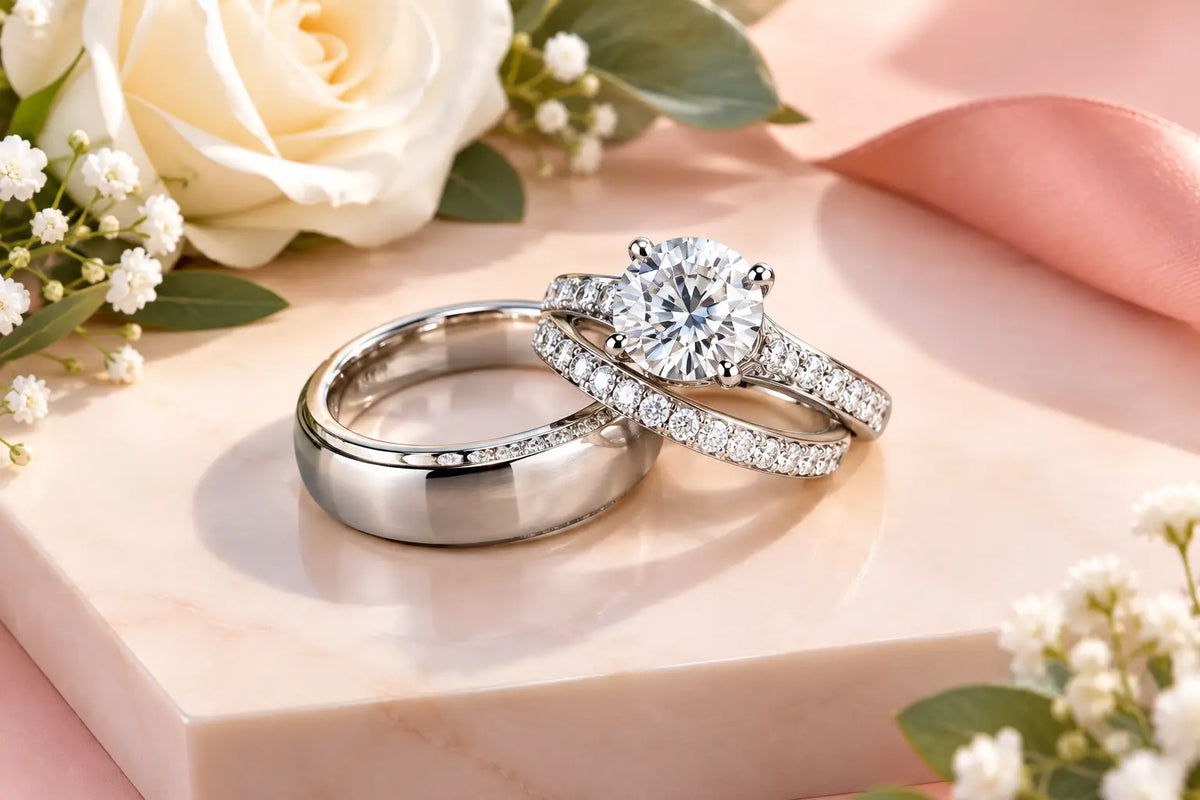
If a wedding band will be worn every day, visualize the pair together before making a final decision. Straight bands often sit neatly beside elevated solitaires, while low-profile settings may pair best with a contoured or custom-shaped band. This small consideration can make the full bridal stack feel intentional from the first day.
Get the Ring Size Right With Confidence
Ring size is one detail that should never be treated as an afterthought. The correct fit should feel secure enough that the ring does not slip off, yet comfortable enough to move over the knuckle without force. Finger size can shift with temperature, travel, exercise, and time of day, so measuring at more than one moment is smart.
If the proposal is a surprise, discreetly borrow a ring she wears on the same finger, or ask a trusted friend or family member for guidance. When choosing between sizes, consider the ring's band width and her typical fit. Wider bands can feel tighter than slim ones in the same size.
At Eternal Jewels, customizable ring sizing and metal selections help transform an online purchase into a considered fine-jewelry choice. Review every specification before placing an order, from center-stone carat weight to gold purity, so the finished ring reflects both her style and the life it is meant to celebrate.
The most memorable engagement ring is not chosen because it follows a formula. It is chosen because, when she sees it on her hand, the brilliance feels familiar - like it was always meant to be hers.